The Effects of Toxic Relationships on Fascia
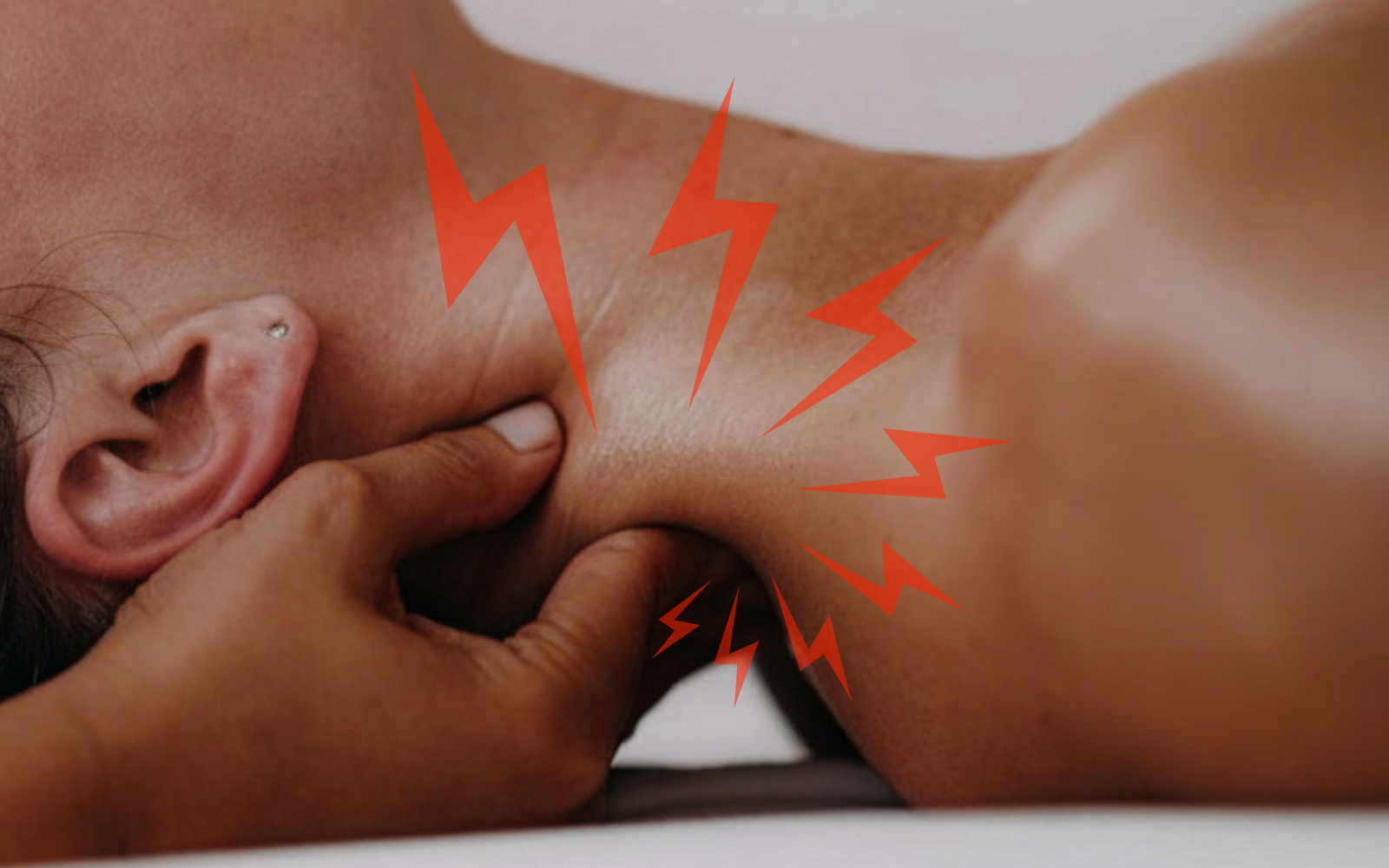
I see a lot of patients who have been negatively impacted by toxic relationships. Most of the time when they come in, it’s for my signature Face Fix treatment - essentially a myofascial release facelift. They feel like the stress and trauma they’ve endured have taken a visible toll on their face. And that’s what finally gets them through my door.
But as we work through the face and begin releasing tension, their body tells a much bigger story. Their hips are tight. Deep knots have formed in their shoulders and around their shoulder blades. Their jaw is clenched. Their plantar fascia feels like a rock. They haven’t just stored emotional trauma in the fascia of their face - it’s throughout their entire body. Over time, that stored tension has affected their energy levels, their posture, their weight, their sleep, and led to pain and injuries they chalked up to just… living. But meanwhile, there was a toxic person in their lives responsible for so many of their symptoms.
So what’s actually happening in the body? Fascia is the continuous web of connective tissue that surrounds and weaves through every muscle, organ, nerve, and bone in your body. Think of it as the body’s internal scaffolding - it holds everything together and gives your body its shape. But fascia isn’t just structural. It’s deeply responsive to your nervous system and your emotional state. When you experience chronic stress or trauma, your nervous system activates a threat response - and fascia physically tightens and thickens in response. It’s your body bracing for impact. The problem is that when the source of stress is ongoing - like a toxic relationship - that bracing never gets a chance to release. The fascia stays contracted. It hardens. It restricts. And over time, it starts to affect everything: circulation, lymphatic drainage, hormone regulation, posture, pain levels and even how your face ages.
Research has shown that fascia contains an enormous number of sensory nerve endings - in fact, it has more proprioceptors than muscle tissue does. It also contains cells called myofibroblasts, which contract in response to mechanical and emotional stress and can remain in a contracted state long after the stressor is gone. This is why trauma lives in the body, not just the mind. Your fascia has essentially been taking notes on every stressful experience you’ve ever had.
In many cases, the storing started in childhood - when the brain and nervous system weren’t developed enough to process what was happening. So the body did what it needed to do to survive - it tucked it away in the fascia. The toxic person at that time was often a family member, or in some cases, the entire family system. By adulthood, when they start noticing changes in the mirror, decades of unprocessed trauma and chronic emotional stress are already stored deep in the tissue.
That’s when they end up in my office - concerned about their face, but subconsciously understanding it’s more than that. It’s the fascia. And that’s when we shift to a full-body approach, working to release the stress and trauma that toxic relationships have left behind. Myofascial release works by applying deep pressure into the fascial system - not forcing it, but meeting it where it is and allowing it to unwind. When we access the right areas with the right intention, the tissue softens, circulation returns, and the nervous system begins to downregulate out of that chronic threat state. Not only do they start to see years lift from their face - they begin to feel the weight they’ve been carrying in their body for the first time. And then they recognize it. And then they can finally let it go.
While I am a trauma-informed practitioner, I always recommend that patients also work with a therapist, psychologist, and/or psychiatrist alongside myofascial release when we’re specifically targeting trauma responses. The body and the mind have to heal together.
And the very first step in treatment? Distance yourself from the toxic relationship as much as you possibly can. You can’t heal in the place where you were hurt.